
Quick answer
Sciatica is leg pain caused by irritation of a nerve root in the lower back — burning, electric or shooting pain past the knee, often with tingling. Most cases recover without surgery, and physiotherapy with targeted movement and graded exercise is the first-line treatment. Physiotherapy is a proven, first-line treatment for sciatica.
What Is Sciatica?
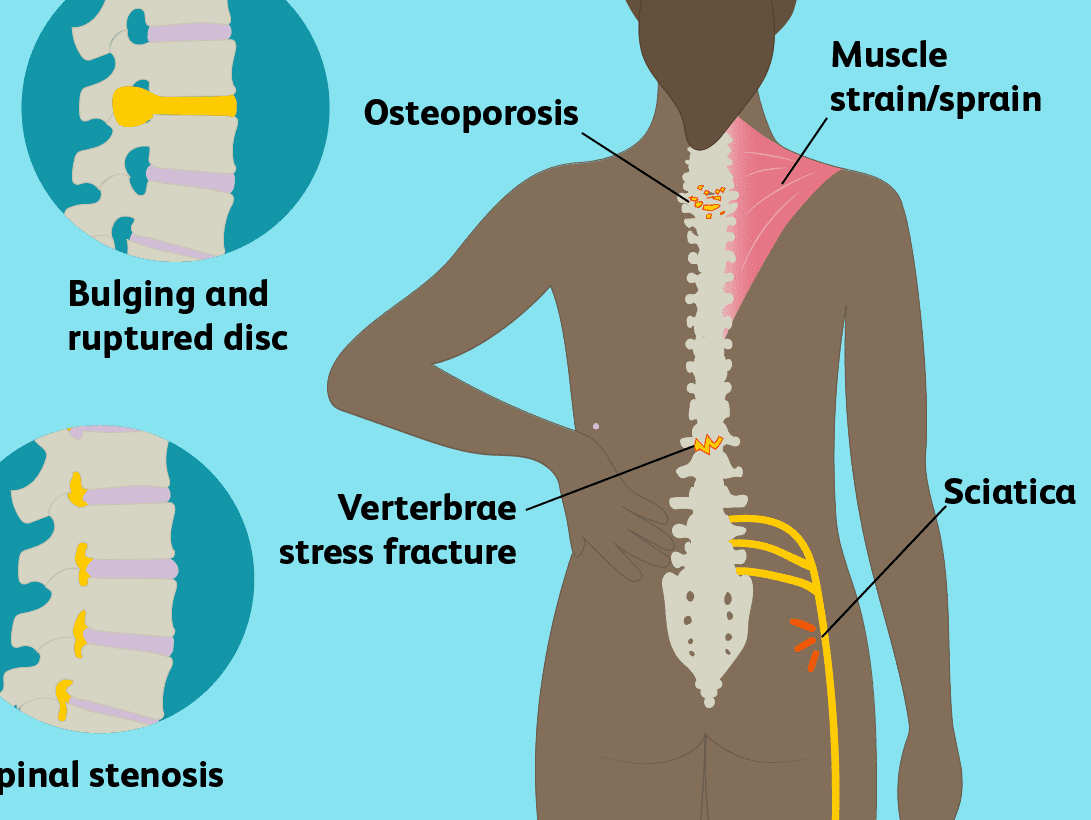
Sciatica is not a diagnosis itself — it is a symptom pattern. Something (usually a disc bulge or narrowed nerve tunnel in the lower back) irritates the sciatic nerve root, and the brain feels the pain along the nerve’s path in the leg.
Most sciatica settles well with the right movement strategy. If you develop loss of bladder/bowel control, numbness in the groin, or rapidly worsening leg weakness, seek emergency care immediately.
Common Symptoms of Sciatica
Symptoms vary from person to person, but sciatica most often shows up as:
- Pain radiating from the back or buttock down the leg, often past the knee
- Burning, electric or shooting pain quality
- Tingling or pins-and-needles in the leg or foot
- Numbness in part of the leg
- Leg weakness — tripping, or trouble pushing up on toes
- Pain worse with sitting, bending or coughing
What Causes Sciatica?
Common causes and risk factors include:
- Disc bulge pressing on a nerve root (most common under 50)
- Narrowing of the nerve tunnels (stenosis) — common over 60
- Inflammation around the nerve without structural pressure
- Piriformis or deep-gluteal muscle irritation of the nerve
- Sudden loading: lifting with a twist, long driving
- Prolonged sitting with a flexed spine
How Physiotherapy Treats Sciatica
Your plan is tailored to your assessment findings, but most treatment plans combine:
- Directional movement strategies that centralize leg pain back toward the back
- Graded nerve-mobilization (gliding) exercises
- Core, hip and trunk strengthening once pain settles
- Education on sitting, lifting and pacing during recovery
- Manual therapy for pain relief and movement access
- Coordination with your physician if symptoms fail to progress
At Dynamic Balance Physiotherapy & Vestibular Rehab Clinic in Clayton, Cloverdale, Surrey & Langley, BC, every plan is one-on-one, evidence-based and built around your goals — no two treatment plans are alike.
What to Expect at Your First Visit
Your first appointment is a 45-minute one-on-one assessment. Your physiotherapist reviews your health history, tests the movement, strength and joints involved in your sciatica, explains what is actually driving your symptoms, and usually starts treatment the same day. You leave with a clear diagnosis, a personalized plan and realistic milestones — no doctor’s referral needed.
Sciatica FAQs
Do I need a referral to physiotherapy for Sciatica?
No. In BC, physiotherapists are primary-care practitioners, so you can book directly with us. If your symptoms ever need a physician’s eyes, we will tell you and point you in the right direction.
Do I need an MRI for sciatica?
Usually not at first. Guidelines recommend imaging only when there is severe or worsening neurological deficit, or when symptoms fail to improve after 6–12 weeks of appropriate conservative care — because disc findings on MRI are common in pain-free people and often do not change treatment. Physiotherapy can start without one.
How many sessions will my Sciatica need?
Most patients notice meaningful improvement within 4–8 visits, though recovery varies with severity and how long symptoms have been present. Your physiotherapist gives you a personalized estimate after the first assessment.
Get Sciatica Relief in Surrey & Langley
If sciatica is limiting your day, the team at Dynamic Balance Physiotherapy & Vestibular Rehab Clinic is ready to help. Book online or call — same-week appointments are usually available, and we direct bill ICBC, WorkSafeBC and most extended-health plans.