
Quick answer
Knee pain has several usual suspects — kneecap (patellofemoral) pain, meniscus irritation, arthritis and tendon overload — and each responds to a different exercise plan. An accurate physiotherapy assessment is what turns generic advice into results. Physiotherapy is a proven, first-line treatment for knee pain.
What Is Knee Pain?
The knee is a hinge joint guided by muscles, ligaments and menisci. Pain in the same spot can come from very different structures, which is why “generic knee exercises” often fail and assessment-driven rehab succeeds.
Common Symptoms of Knee Pain
Symptoms vary from person to person, but knee pain most often shows up as:
- Ache around or behind the kneecap with stairs and hills
- Swelling after activity or a twist
- Giving way or a feeling of instability
- Catching, clicking or locking
- Pain squatting, kneeling or running
- Morning stiffness lasting more than a few minutes
What Causes Knee Pain?
Common causes and risk factors include:
- Patellofemoral overload from weak hips and quads
- Meniscus irritation or degenerative tears
- Osteoarthritis of the joint
- Patellar or quadriceps tendinopathy from jumping sports
- Ligament sprains, including ACL injuries (see ACL rehab)
- Sudden increases in running or squatting volume
How Physiotherapy Treats Knee Pain
Your plan is tailored to your assessment findings, but most treatment plans combine:
- Assessment-based strengthening of quads, hips and calves
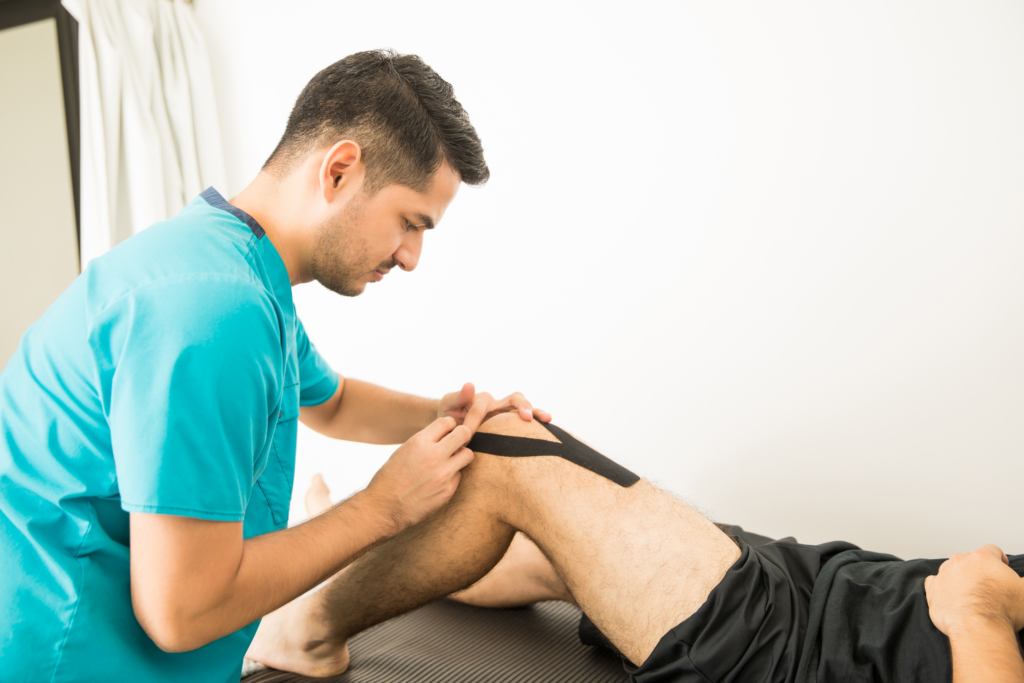
- Manual therapy and taping to settle pain early
- Graded return-to-run and return-to-sport programs
- Arthritis exercise therapy — first-line care at any age
- Post-operative rehab after meniscus or ligament surgery
At Dynamic Balance Physiotherapy & Vestibular Rehab Clinic in Clayton, Cloverdale, Surrey & Langley, BC, every plan is one-on-one, evidence-based and built around your goals — no two treatment plans are alike.
What to Expect at Your First Visit
Your first appointment is a 45-minute one-on-one assessment. Your physiotherapist reviews your health history, tests the movement, strength and joints involved in your knee pain, explains what is actually driving your symptoms, and usually starts treatment the same day. You leave with a clear diagnosis, a personalized plan and realistic milestones — no doctor’s referral needed.
Knee Pain FAQs
Do I need a referral to physiotherapy for Knee Pain?
No. In BC, physiotherapists are primary-care practitioners, so you can book directly with us. If your symptoms ever need a physician’s eyes, we will tell you and point you in the right direction.
Is it bad to squat or use stairs with knee pain?
Not inherently — avoiding movement usually delays recovery. The right dosage matters: we adjust depth, range and load so the knee works within tolerable pain while the supporting muscles get stronger, then progressively restore full activity.
How many sessions will my Knee Pain need?
Most patients notice meaningful improvement within 4–8 visits, though recovery varies with severity and how long symptoms have been present. Your physiotherapist gives you a personalized estimate after the first assessment.
Get Knee Pain Relief in Surrey & Langley
If knee pain is limiting your day, the team at Dynamic Balance Physiotherapy & Vestibular Rehab Clinic is ready to help. Book online or call — same-week appointments are usually available, and we direct bill ICBC, WorkSafeBC and most extended-health plans.