Quick answer
Arthritis means joint inflammation — osteoarthritis (wear-related) and rheumatoid arthritis (autoimmune) being the most common. Exercise therapy is the first-line, guideline-recommended treatment for both: it reduces pain, improves function and protects joints. Physiotherapy is a proven, first-line treatment for arthritis.
What Is Arthritis?
There are over 100 types of arthritis. Osteoarthritis — the most common — involves the gradual loss of cartilage and joint-space narrowing, most often in knees, hips and hands. Rheumatoid arthritis is autoimmune inflammation of the joint lining.
Staying active was once feared to “wear joints out” — research now shows the opposite: appropriately loaded joints stay healthier longer. For specific joints, see our hip, knee and hand pain pages.
Common Symptoms of Arthritis
Symptoms vary from person to person, but arthritis most often shows up as:
- Joint pain that is worse with use, better with gentle movement
- Morning stiffness lasting under 30 minutes (osteoarthritis)
- Stiffness lasting over an hour (inflammatory arthritis)
- Swelling, warmth or grating in the joint
- Reduced range of motion
- Joint instability or difficulty with stairs, jars and grips
What Causes Arthritis?
Common causes and risk factors include:
- Age-related cartilage changes (osteoarthritis)
- Previous joint injury — a strong predictor of later arthritis
- Autoimmune inflammation (rheumatoid, psoriatic arthritis)
- Excess joint loading from occupation or sport
- Body weight multiplying knee and hip load
- Genetics and family history
How Physiotherapy Treats Arthritis
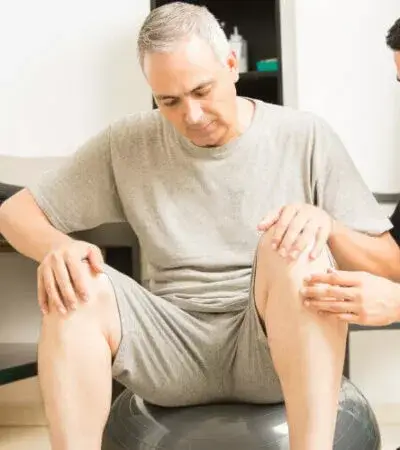
Your plan is tailored to your assessment findings, but most treatment plans combine:
- Individualized strengthening for the muscles around affected joints — the best-evidenced treatment
- Aerobic exercise programming that protects joints
- Manual therapy and joint mobilization for stiffness
- Weight-management support where relevant
- Bracing, taping and footwear/offloading advice
- Pre- and post-operative programs if joint replacement is planned
At Dynamic Balance Physiotherapy & Vestibular Rehab Clinic in Clayton, Cloverdale, Surrey & Langley, BC, every plan is one-on-one, evidence-based and built around your goals — no two treatment plans are alike.
What to Expect at Your First Visit
Your first appointment is a 45-minute one-on-one assessment. Your physiotherapist reviews your health history, tests the movement, strength and joints involved in your arthritis, explains what is actually driving your symptoms, and usually starts treatment the same day. You leave with a clear diagnosis, a personalized plan and realistic milestones — no doctor’s referral needed.
Arthritis FAQs
Do I need a referral to physiotherapy for Arthritis?
No. In BC, physiotherapists are primary-care practitioners, so you can book directly with us. If your symptoms ever need a physician’s eyes, we will tell you and point you in the right direction.
Does exercise wear arthritic joints out faster?
No — this is one of the most persistent myths in arthritis care. Cartilage has no blood supply and is nourished by movement; appropriately dosed exercise reduces pain, improves function and slows functional decline in knee and hip osteoarthritis. The right dosage matters, and that is what a physiotherapist designs.
How many sessions will my Arthritis need?
Most patients notice meaningful improvement within 4–8 visits, though recovery varies with severity and how long symptoms have been present. Your physiotherapist gives you a personalized estimate after the first assessment.
Get Arthritis Relief in Surrey & Langley
If arthritis is limiting your day, the team at Dynamic Balance Physiotherapy & Vestibular Rehab Clinic is ready to help. Book online or call — same-week appointments are usually available, and we direct bill ICBC, WorkSafeBC and most extended-health plans.